Field Note 002
In October 2022, I started a new job.
Almost simultaneously, Hurricane Ian made landfall in Southwest Florida.
And just like that, we were headed to Fort Myers.
I spent the next three weeks moving up and down Fort Myers Beach, immersed in the aftermath of what a hurricane is capable of. Entire neighborhoods had been torn apart. Familiar things were sitting in unfamiliar places. Homes had been opened to the sky. Pieces of people's lives were everywhere.
I'd seen destruction before.
But not like this. Not here.
It was the first time since Afghanistan that I found myself standing in the middle of devastation on that scale.
And once again, I had a camera with me.
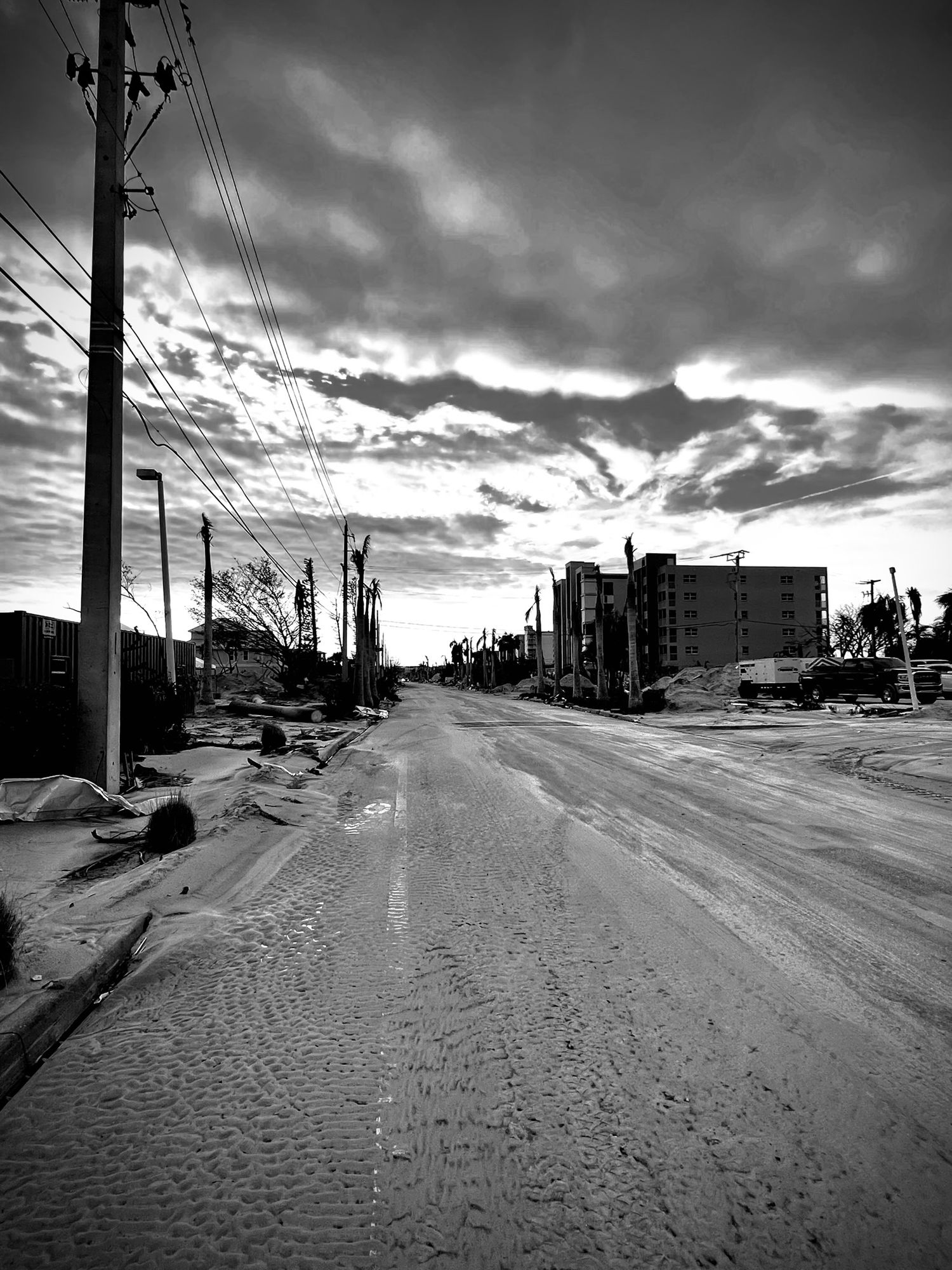
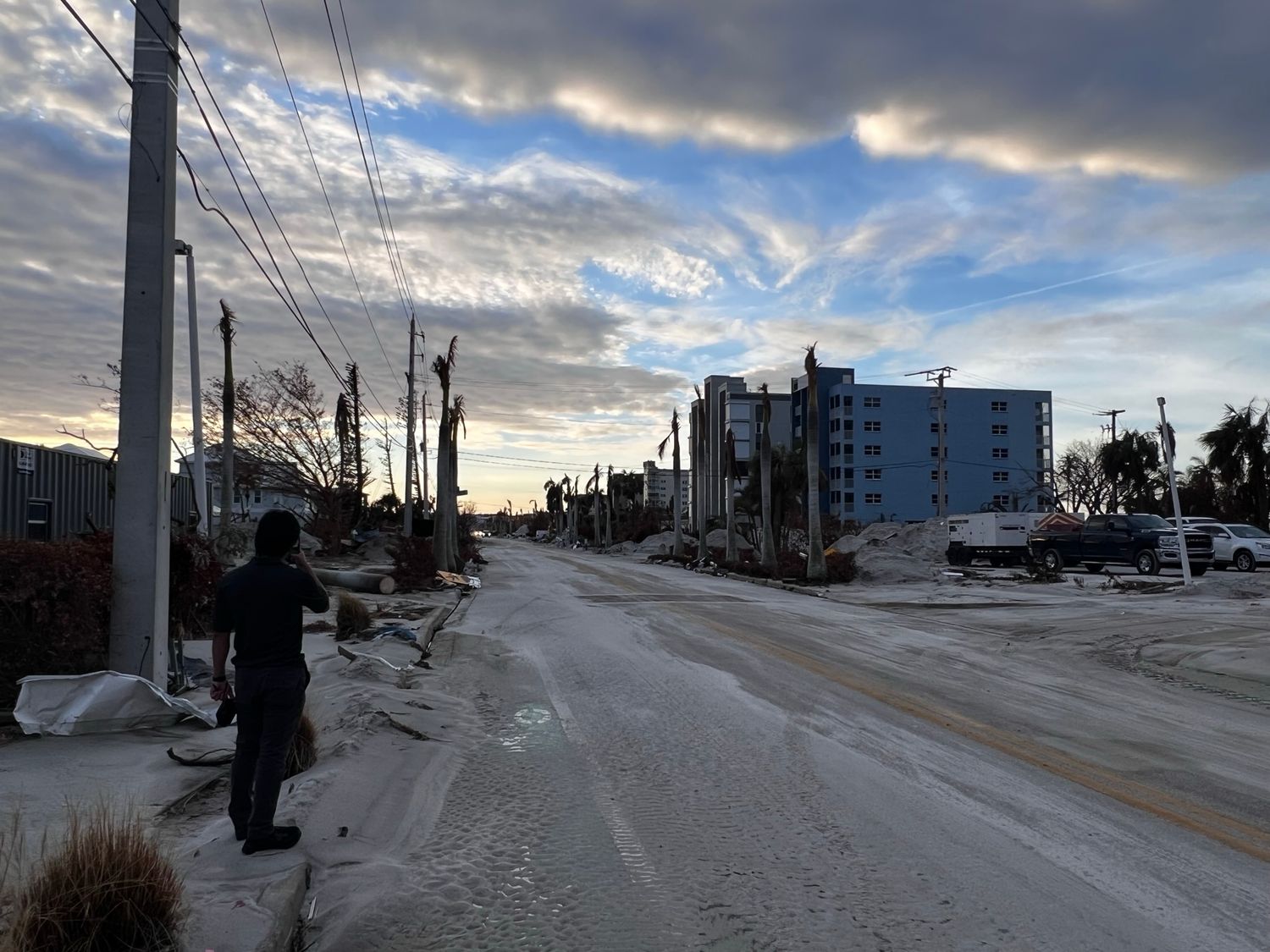
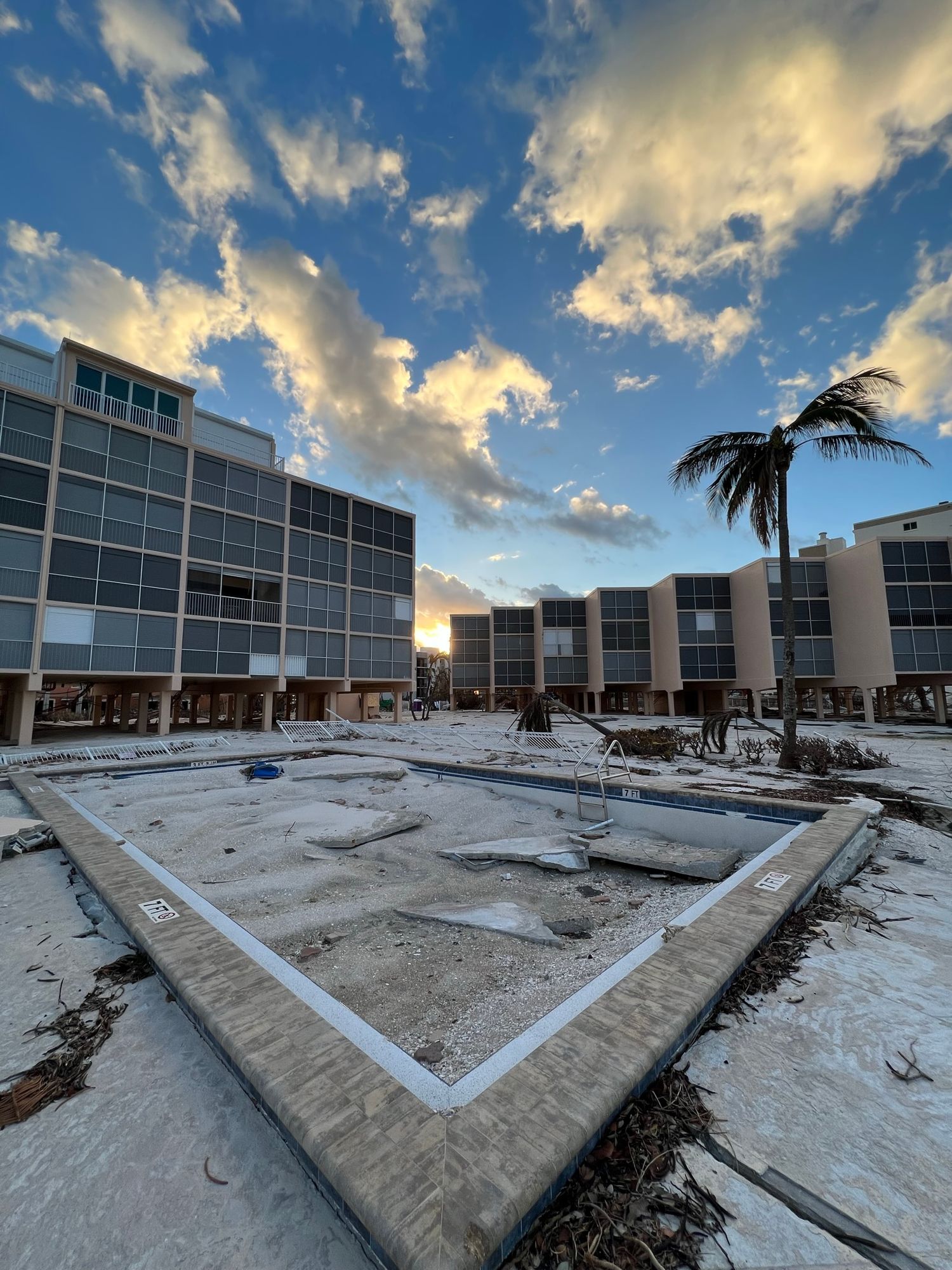
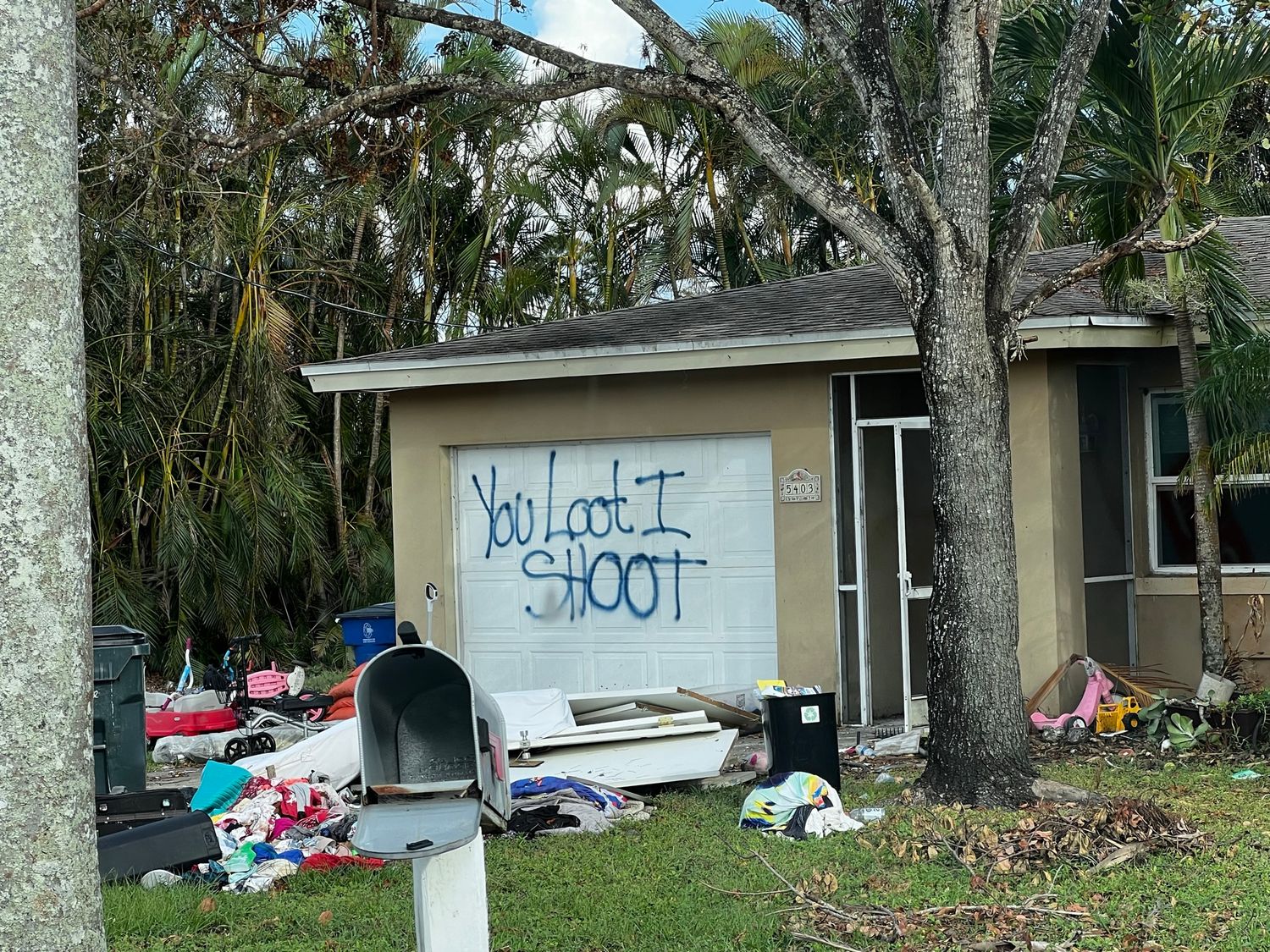
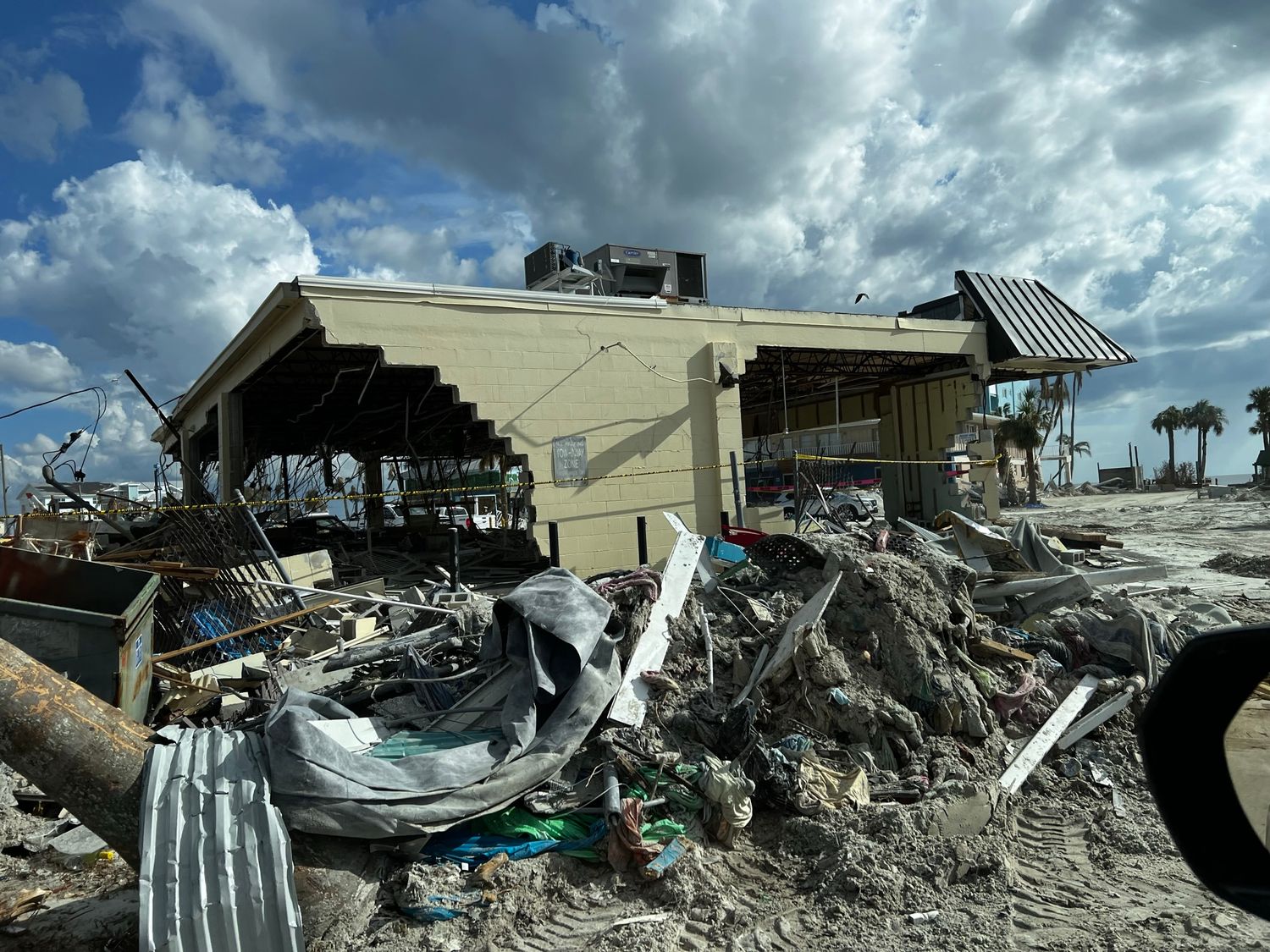
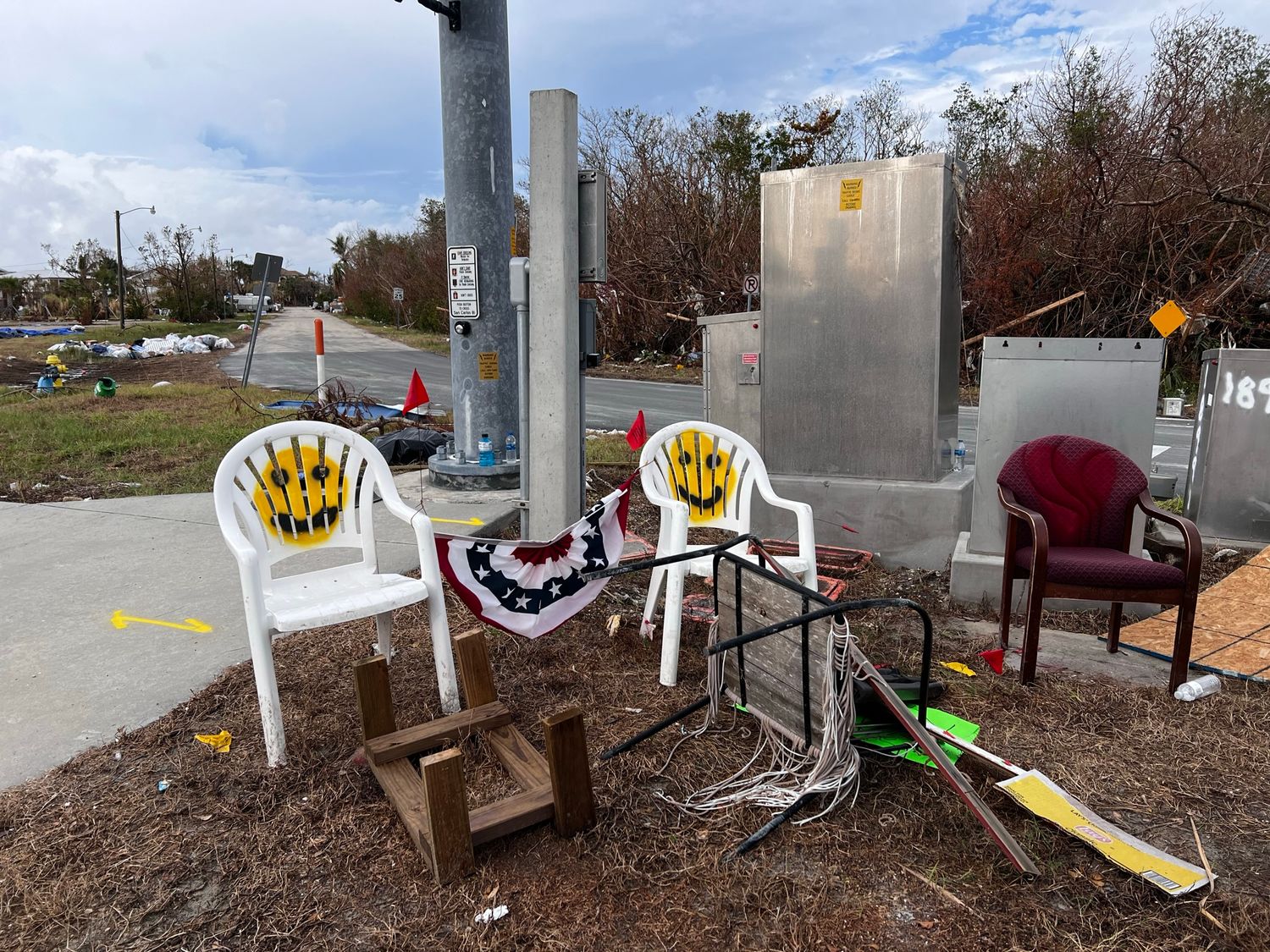
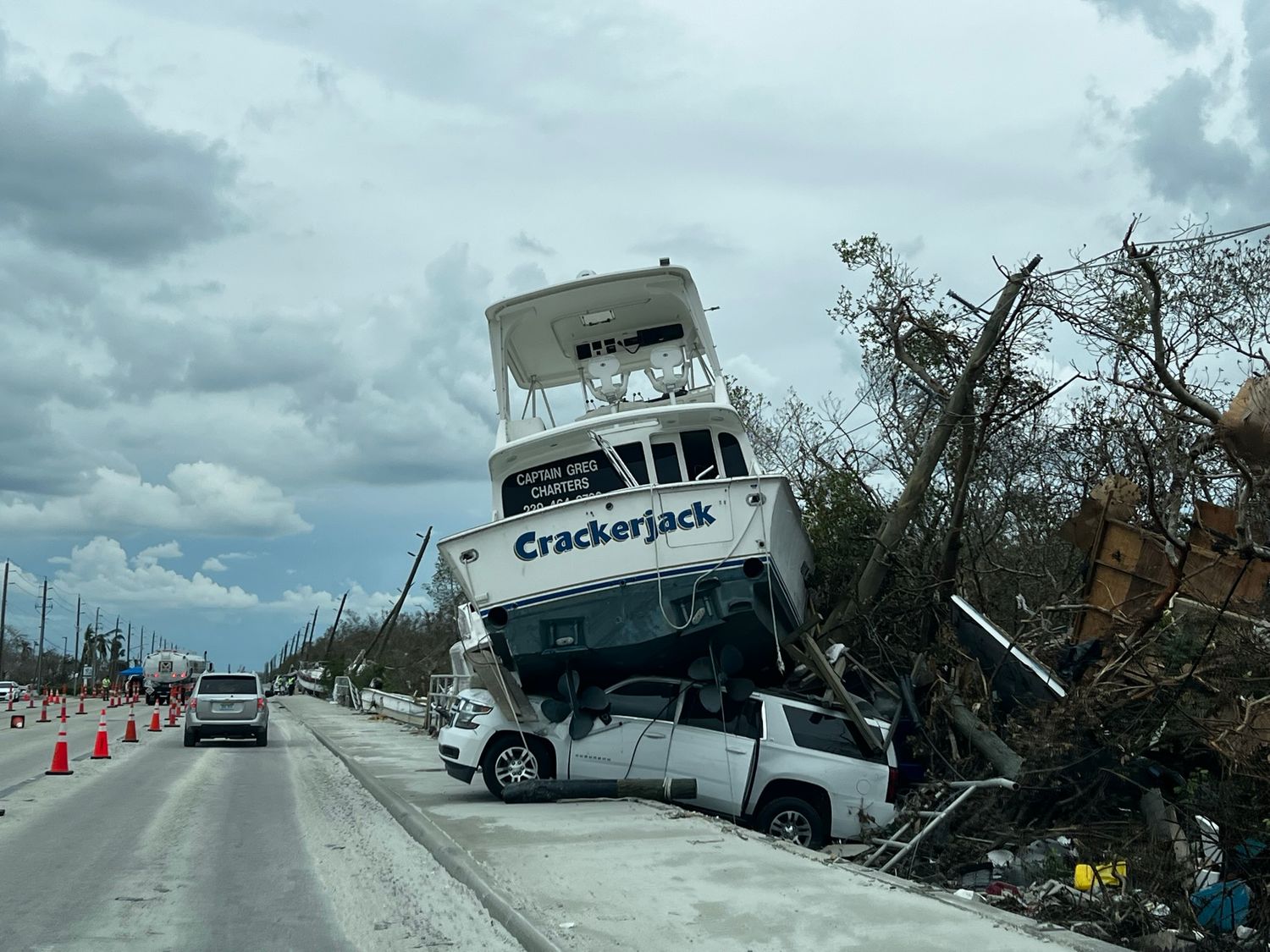
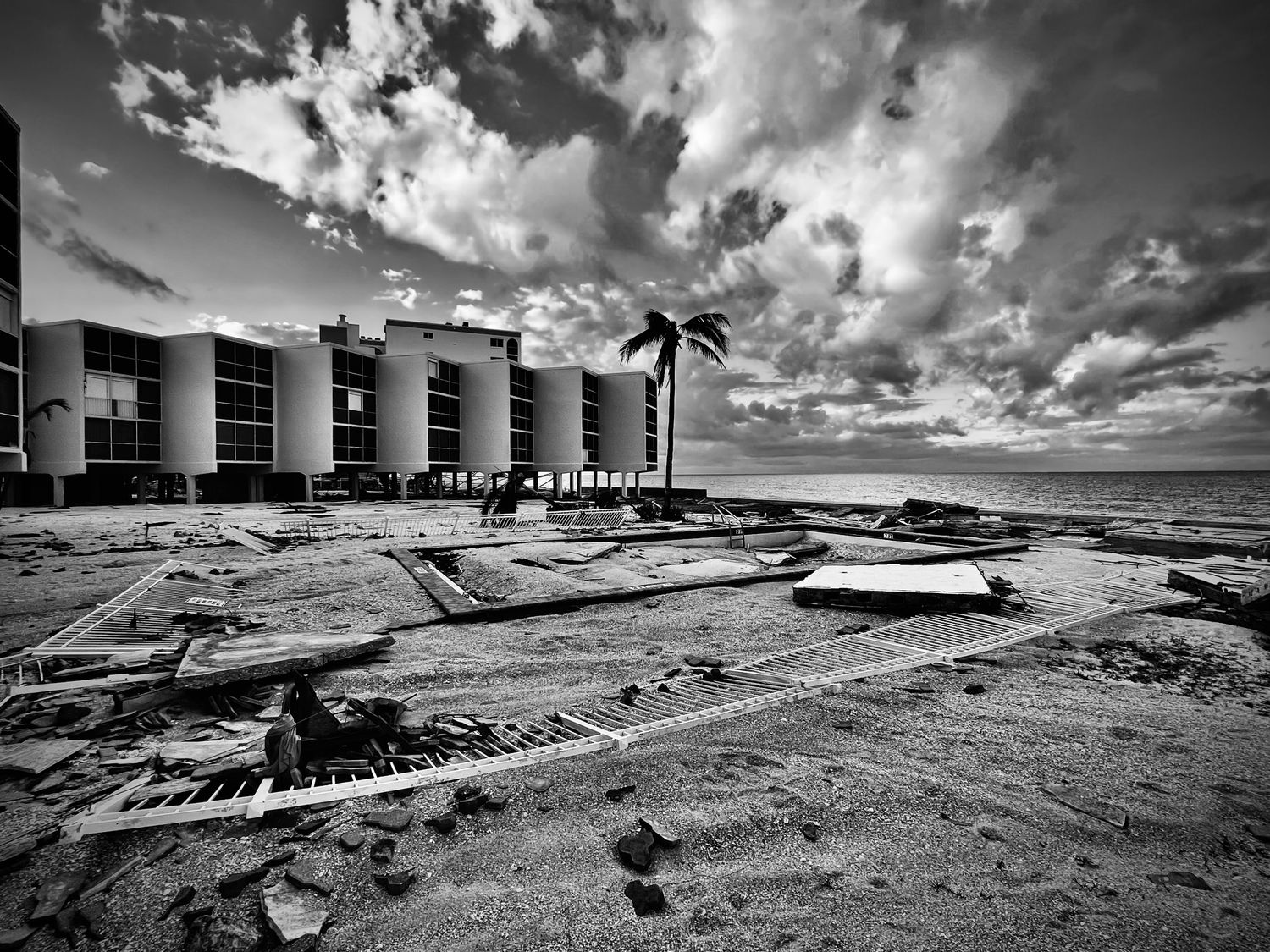
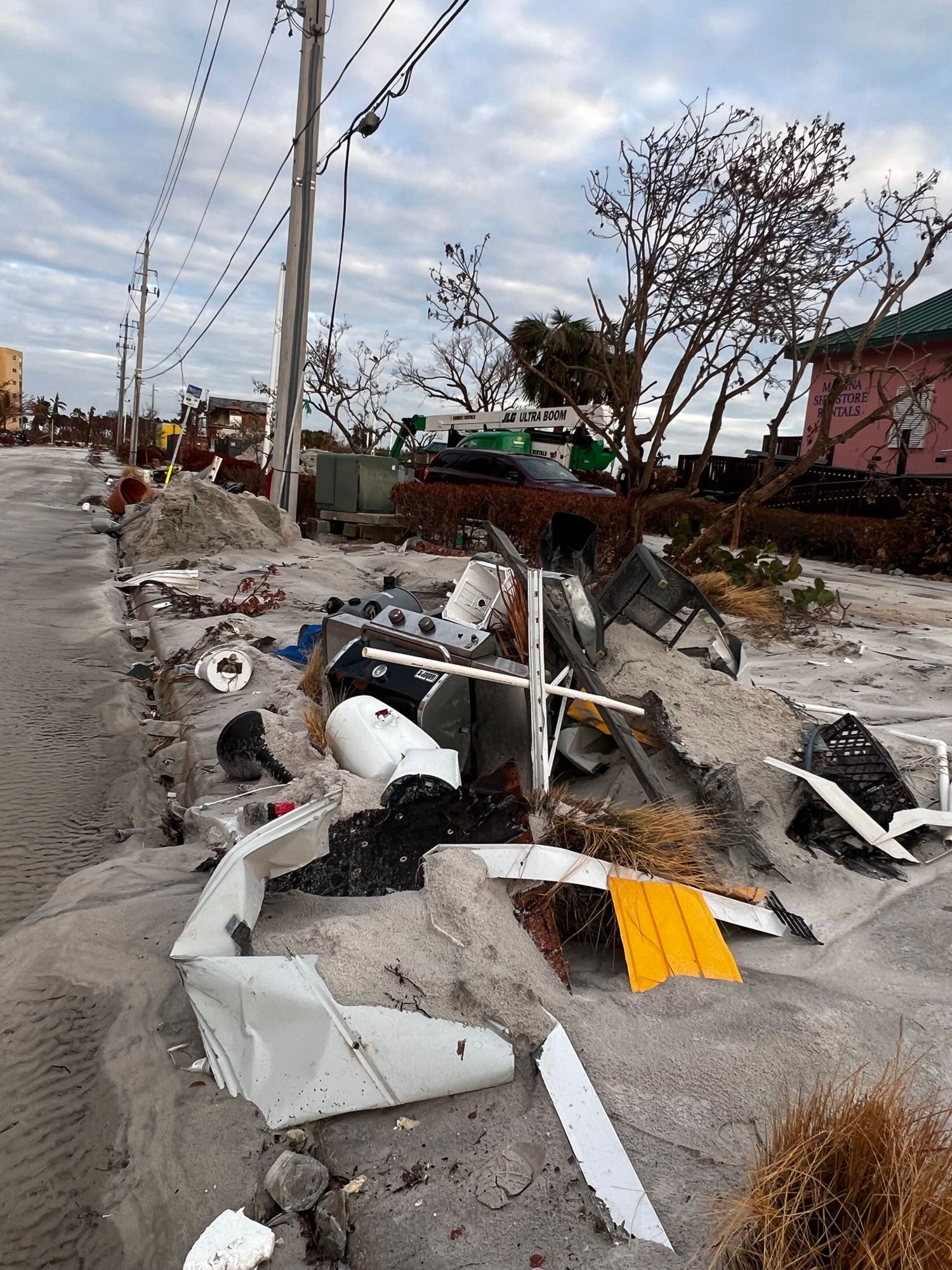
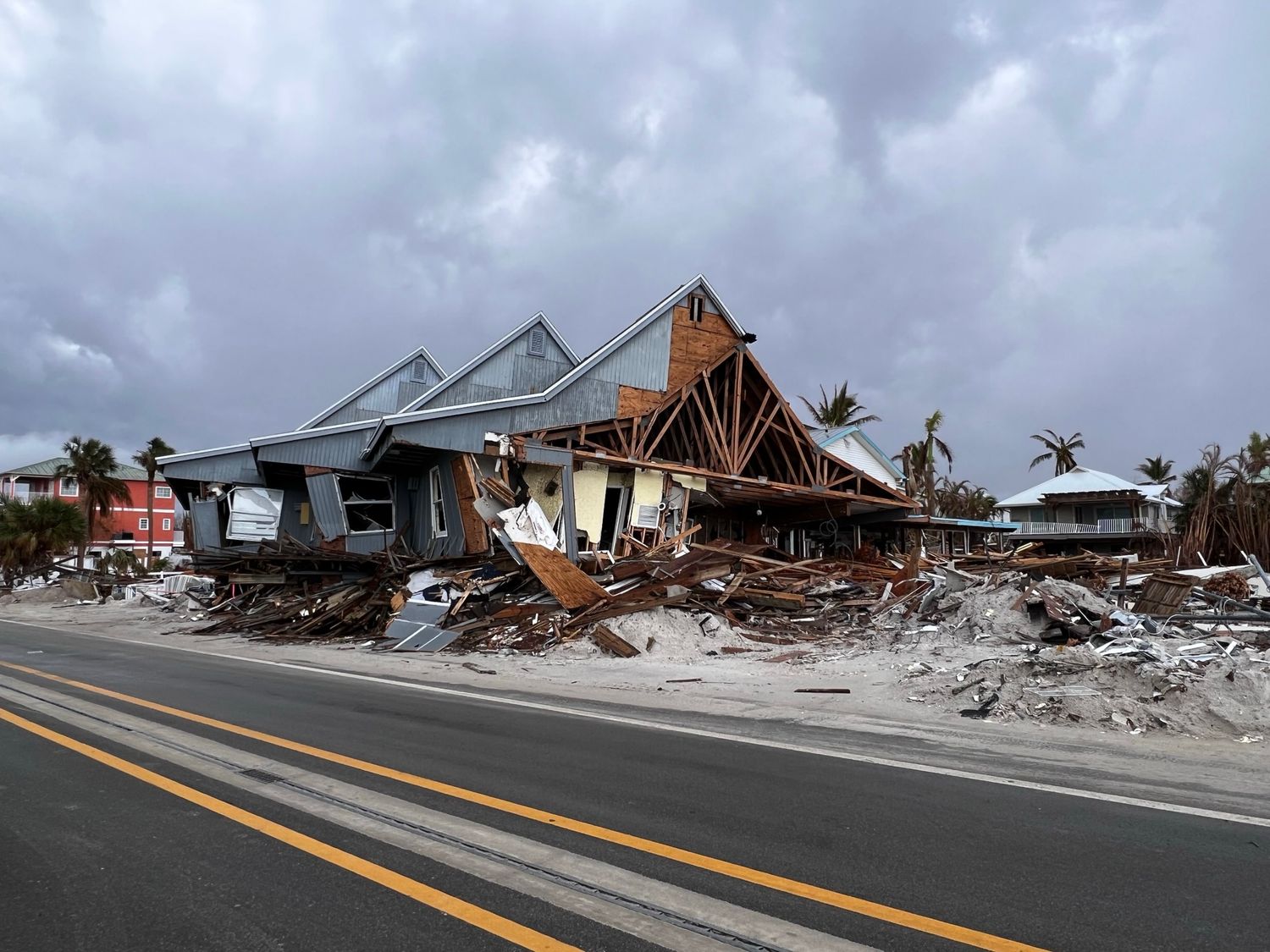
Once we were on the ground, standing there, you could really begin to understand the scale of the disaster and the toll it had taken on the land, the infrastructure, and most importantly, the people living in its path.
I spoke with people who had been there during the storm and heard firsthand what it was like as the water began to rise—the first foot, then another, and another—ultimately reaching close to twenty feet above the ground in some places.
Homes had been underwater or completely removed from their foundations. Some were simply gone. Others had been picked up and deposited somewhere down the road.
And then, almost miraculously, there were structures that barely looked affected at all. Standing among everything else, they were an incredible testament to what modern construction standards are capable of.
When my team first arrived at the beach, it was extremely emotional for some of us, but it affected all of us regardless.
How could it not?
And standing there, surrounded by the immense scale of what had just taken place, how could you not document it?
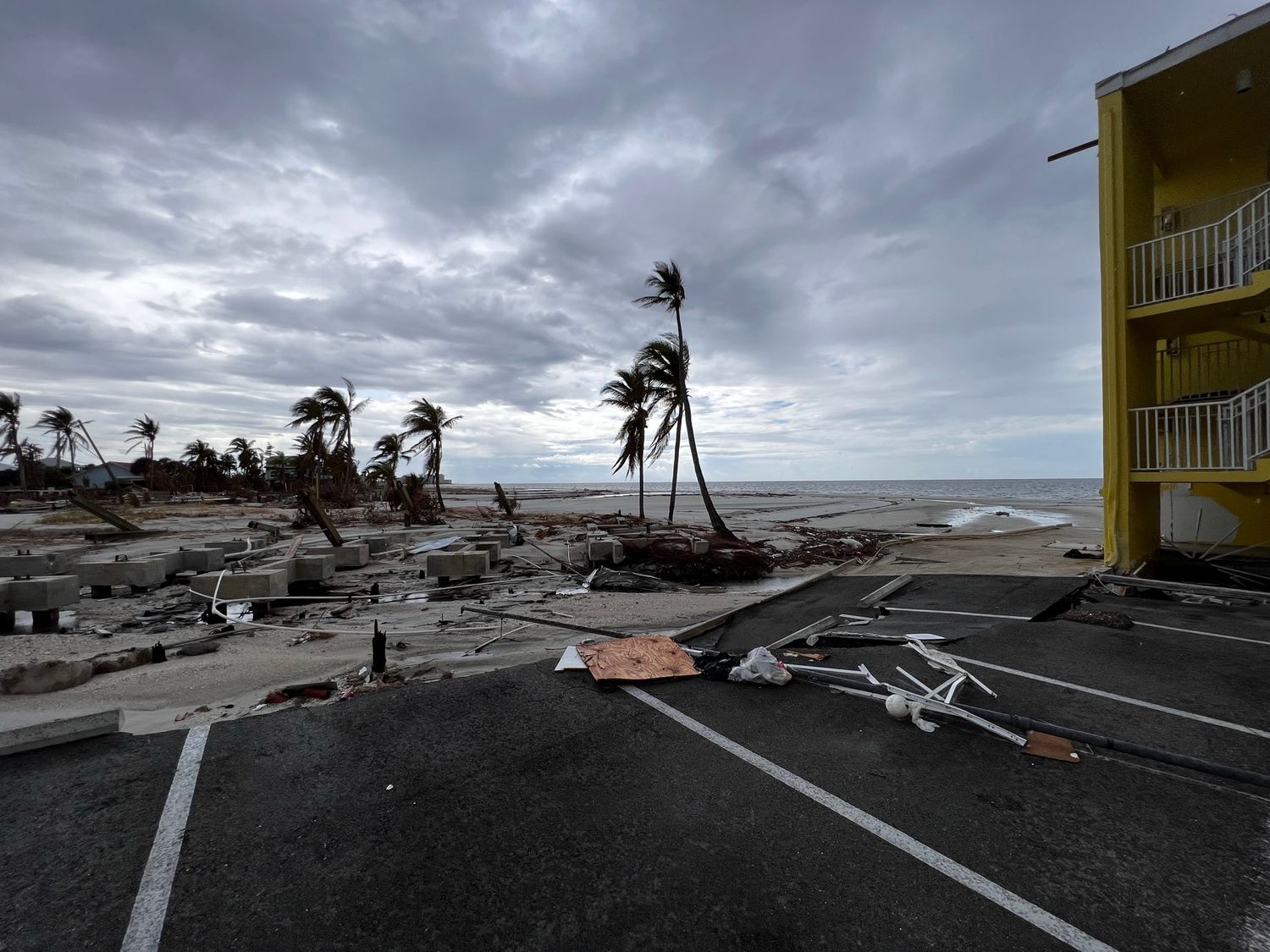
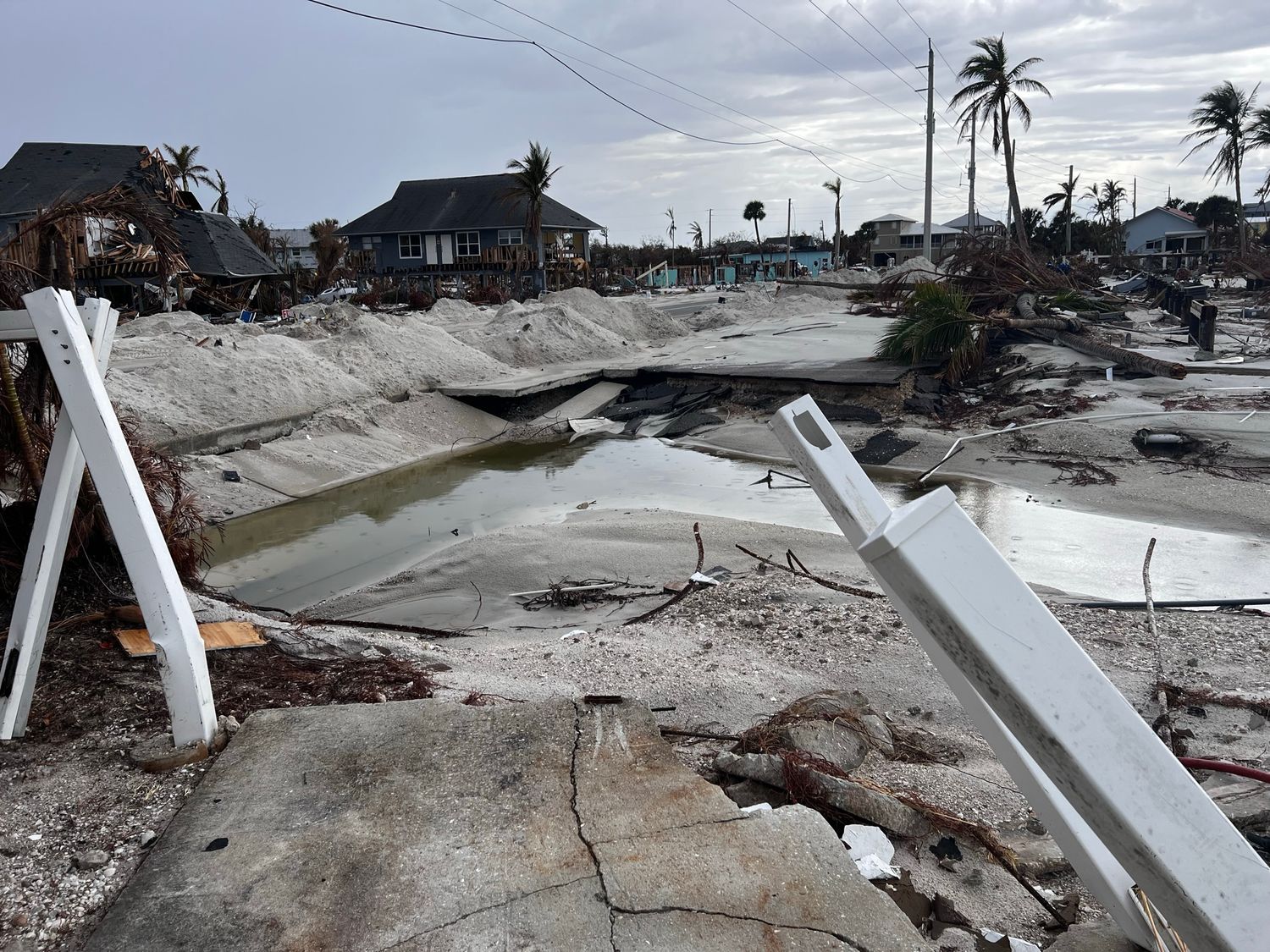
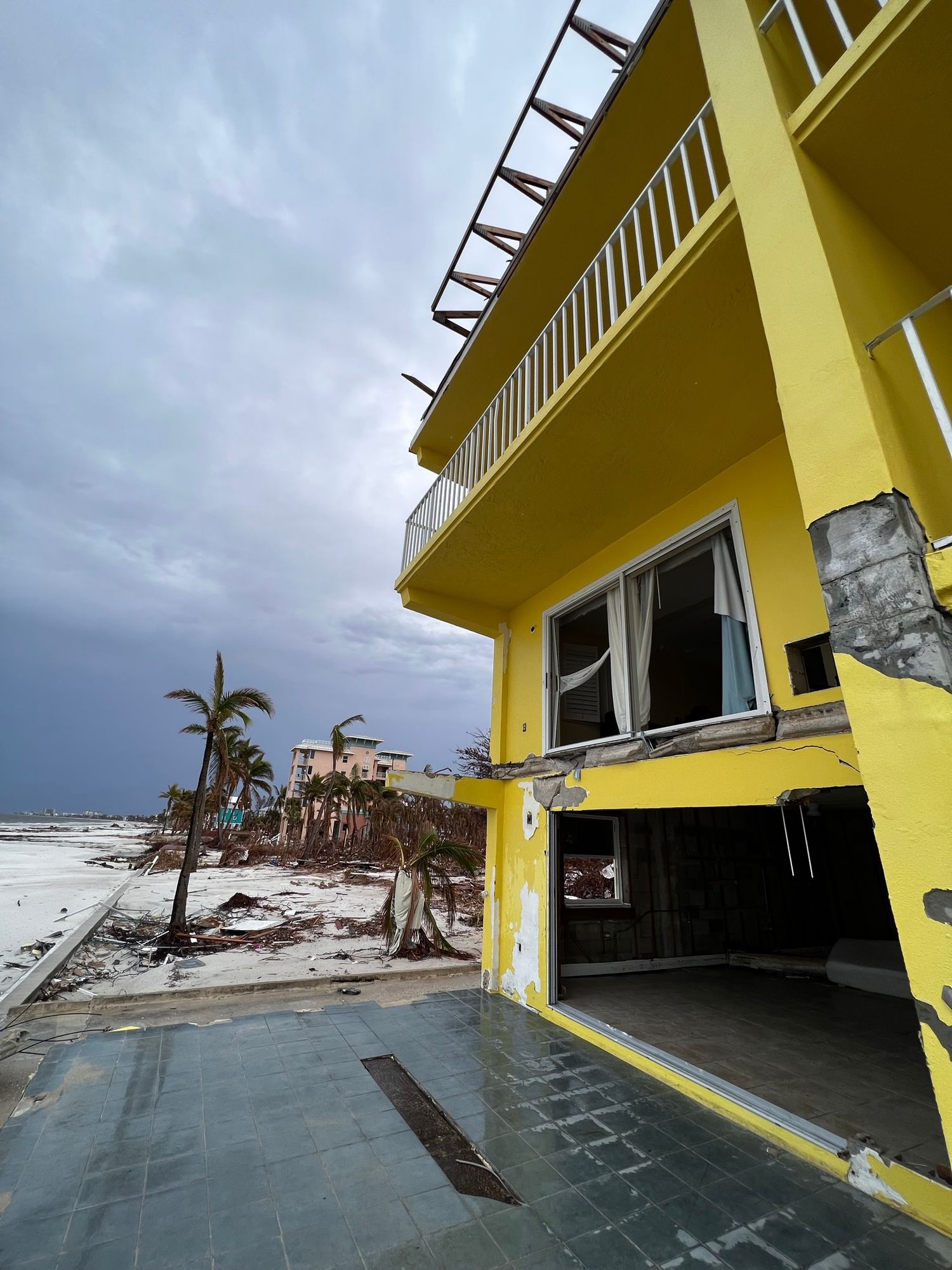
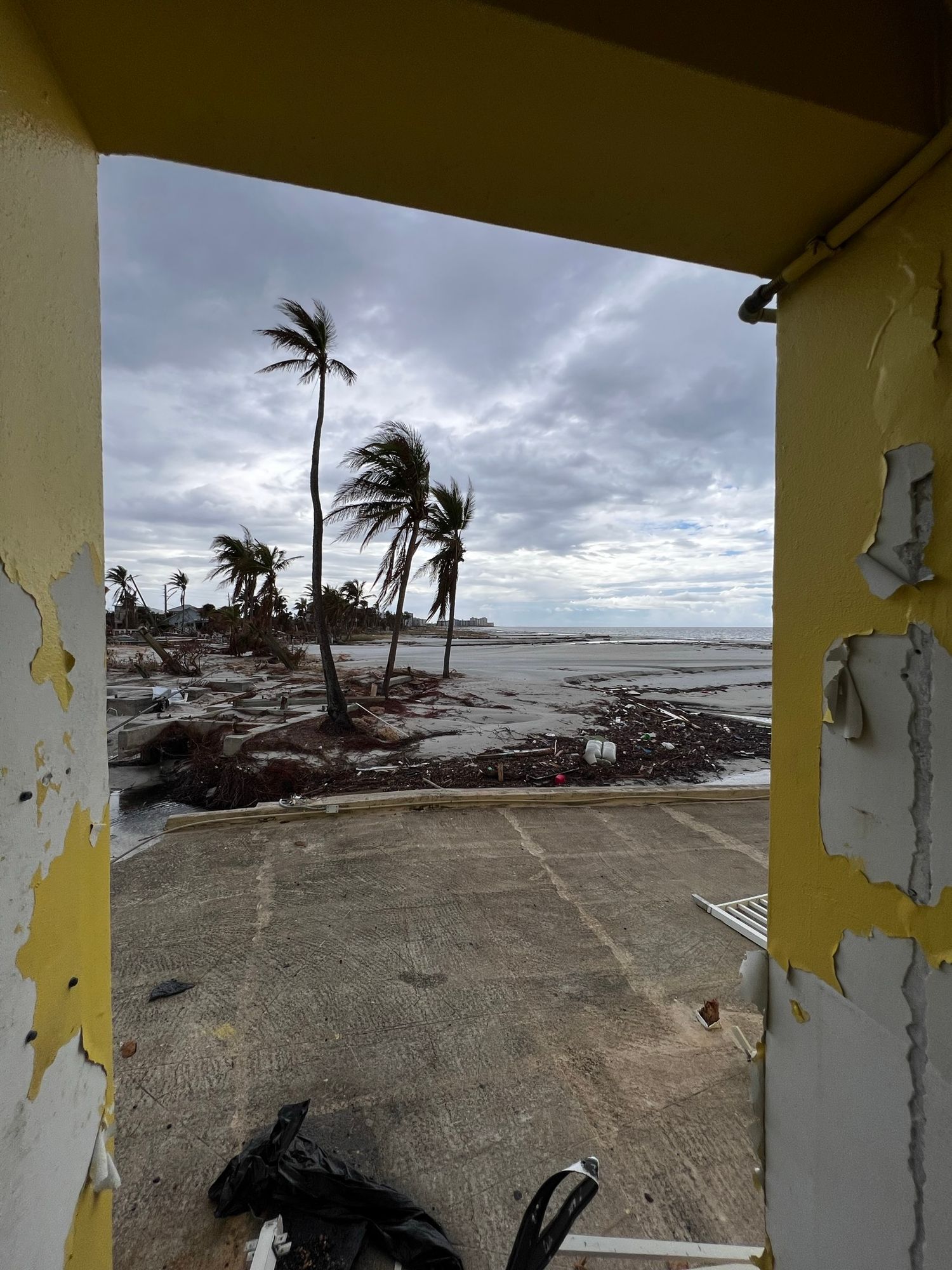
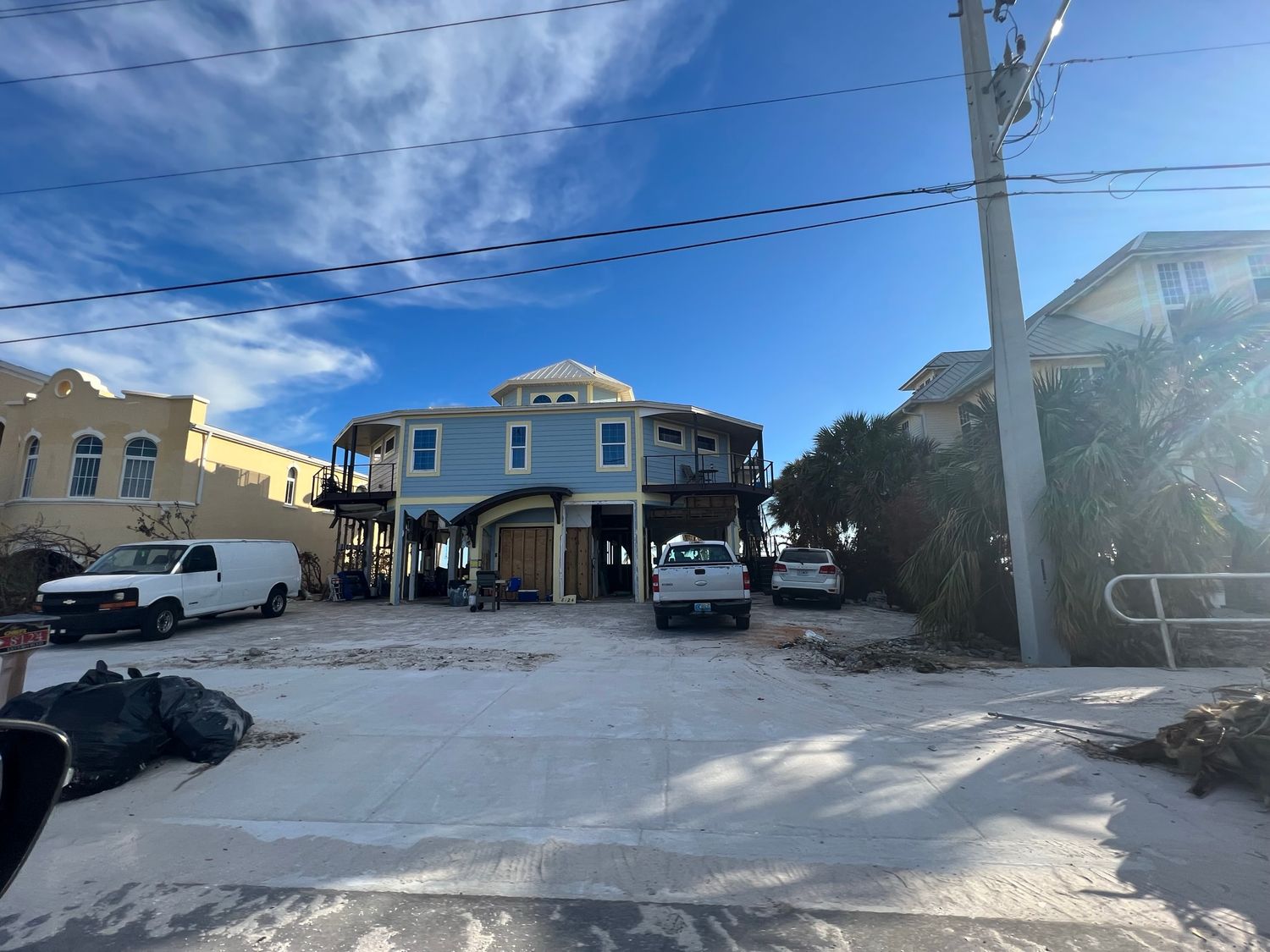
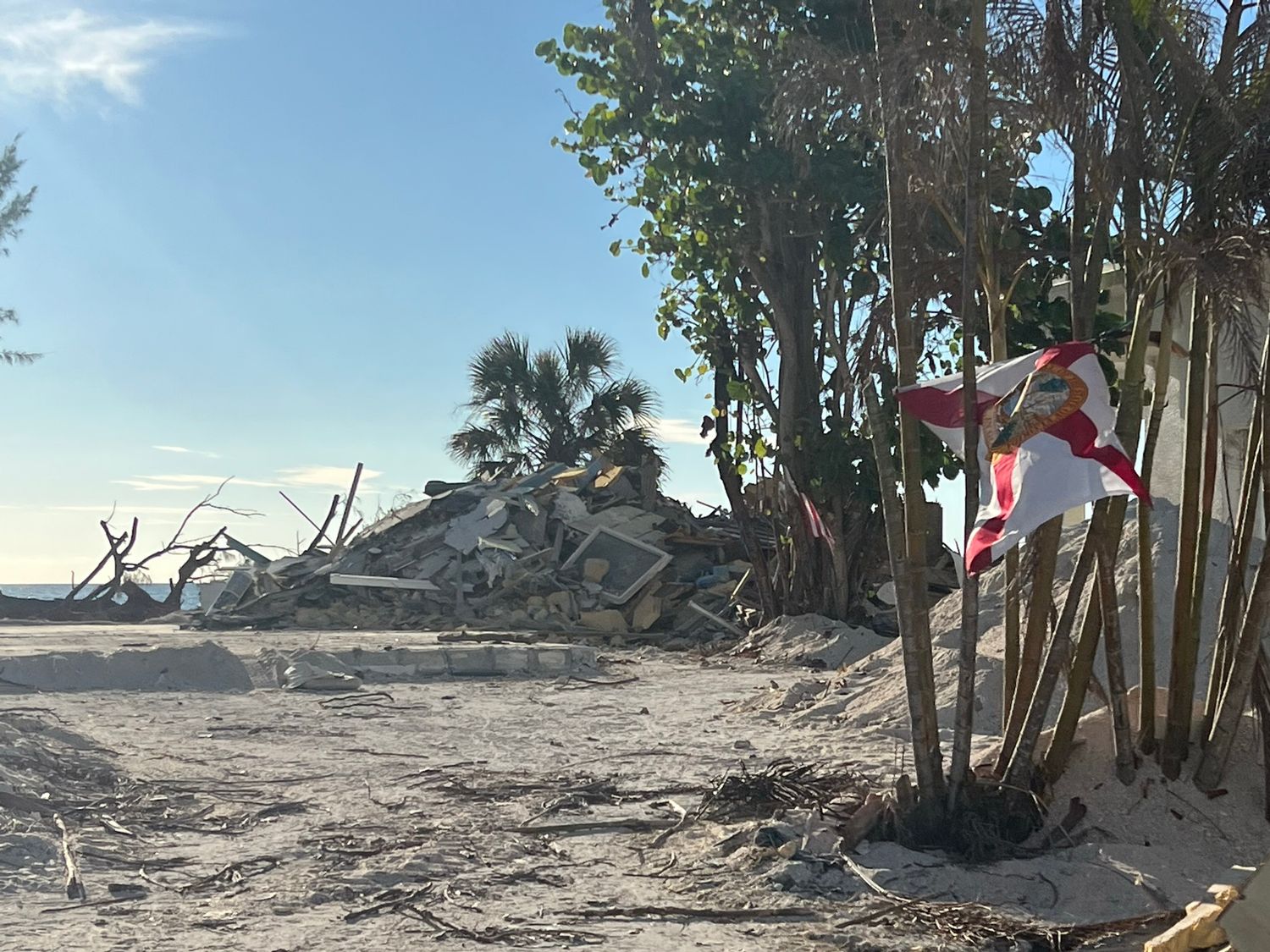
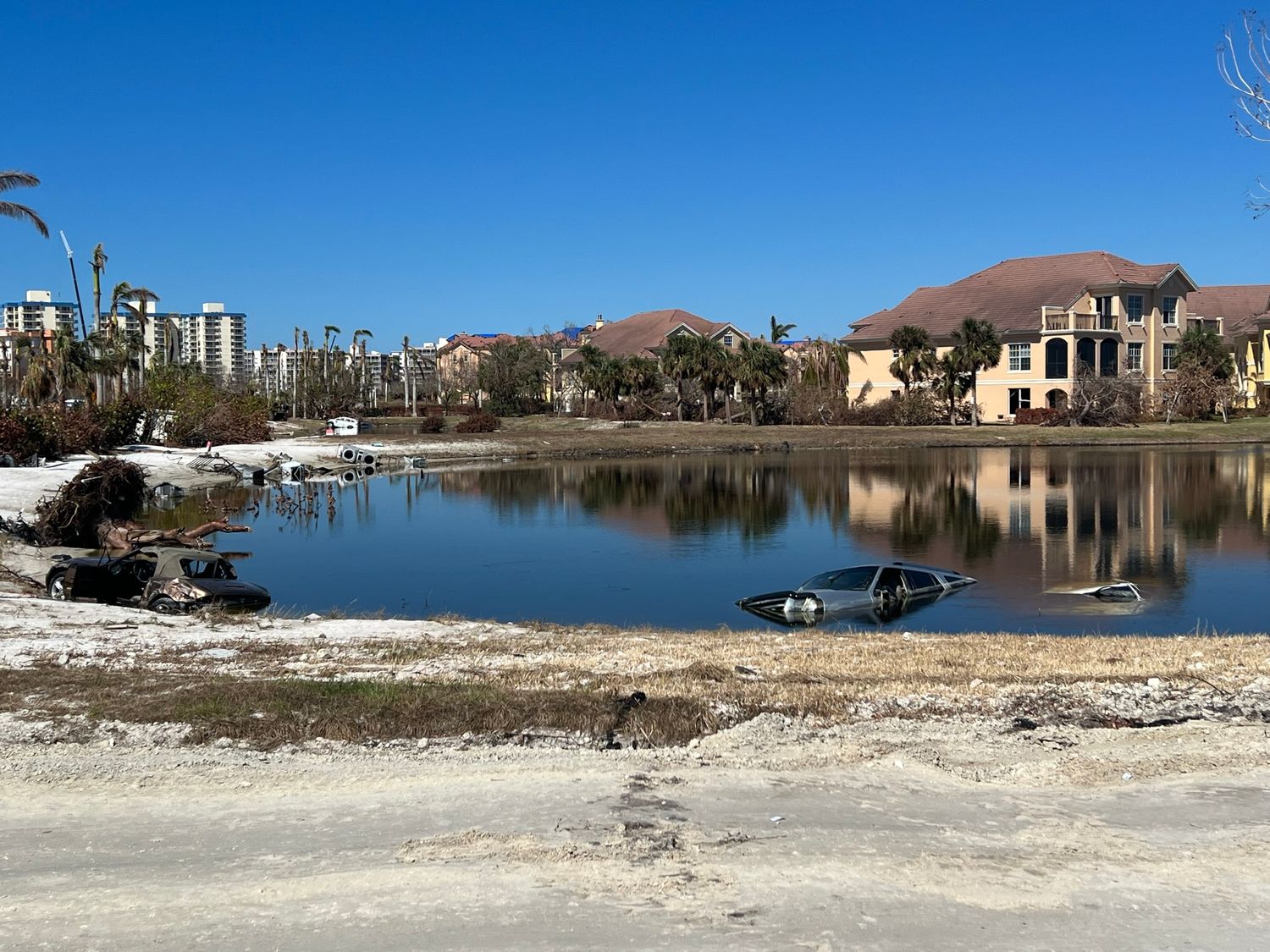
Being in any area after it's experienced large-scale devastation is humbling. Even with the most vivid of photographs, I can almost guarantee that the photographer taking that picture was experiencing more than he's able to convey in that one photograph. More scale. More emotion. Simply more.
But out of destruction comes life anew. Residents persevere. The damaged is removed, and over time, you quietly start to notice the layers being pulled back like an onion. Debris is removed, revealing the next layer of debris, which eventually strikes the match for repairs to begin.
In the simplest of terms, “Life, uh, finds a way.” — Ian Malcolm, Jurassic Park
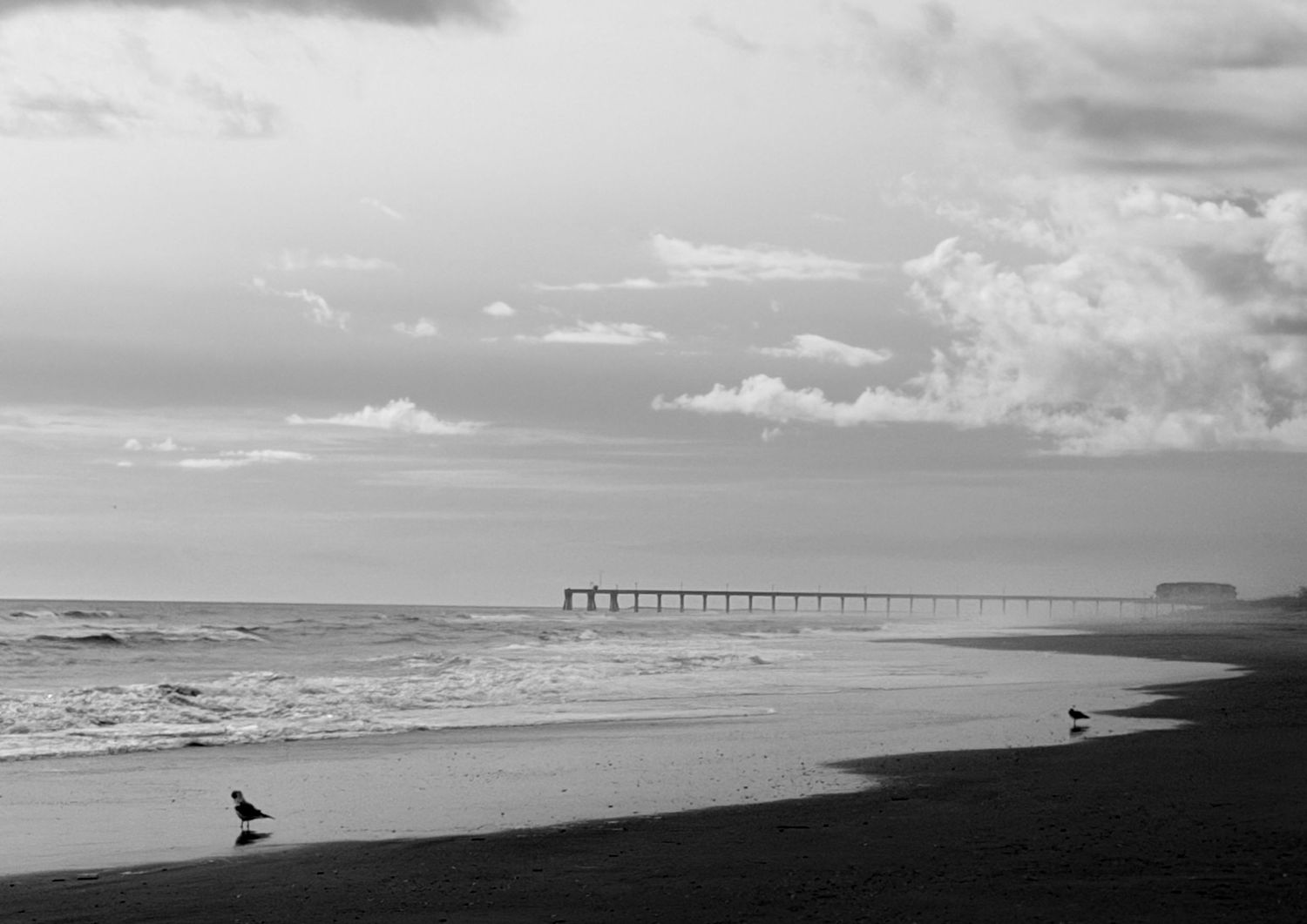
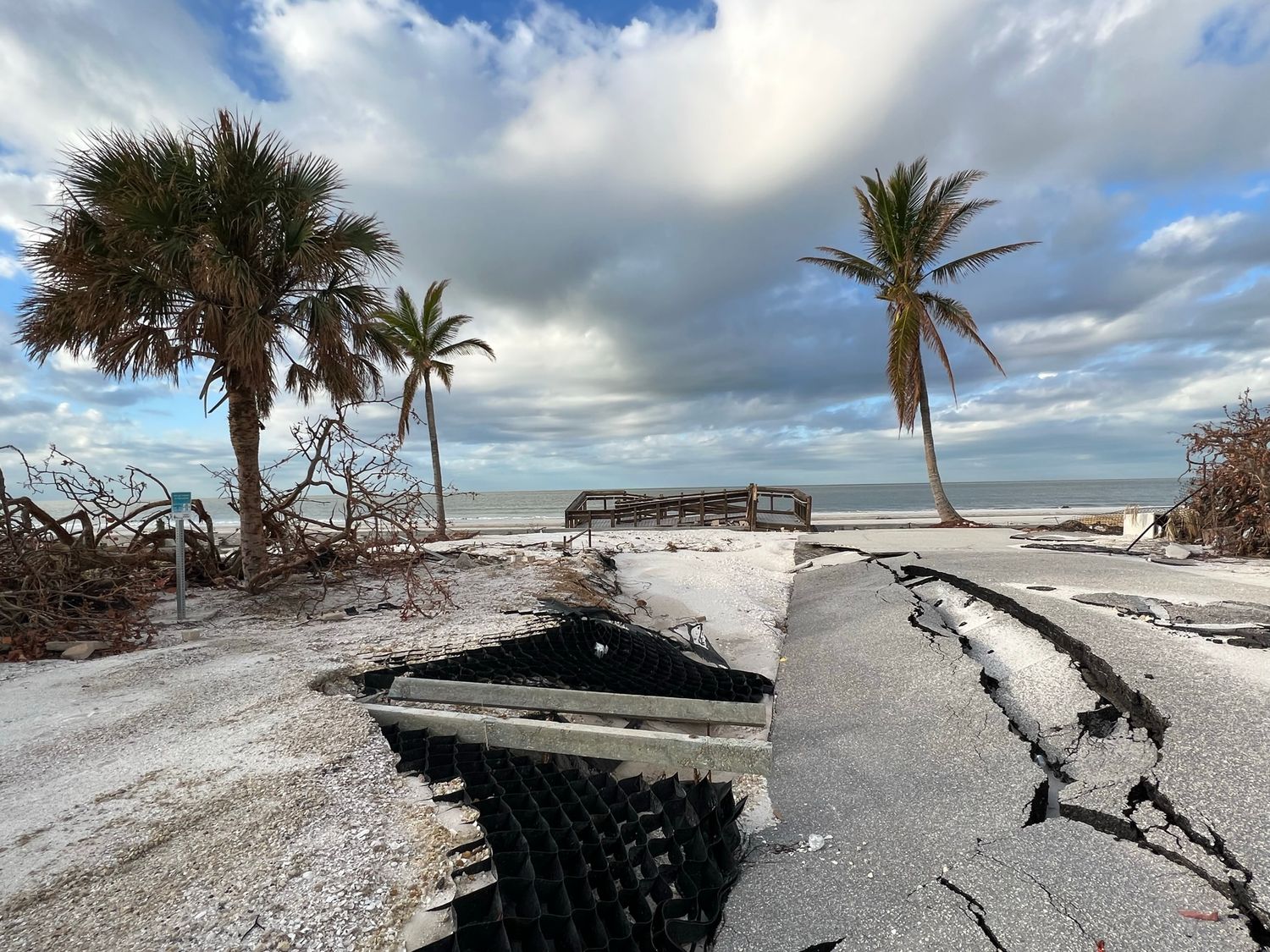
And so, as I moved about for work, here and there, I quietly stole a moment to memorialize the little things I noticed. A structure missing. A wall blown out. A road damaged and covered with sand. Even a car in a lake. I can only hope that you are feeling and experiencing some of what I was in the moments when I took those photographs.